

What do Heilige Boontjes, Oma’s Soep and Mama’s maaltijden have in common? In all three cases, the social mission originates directly from the founders.
Meet the Founders
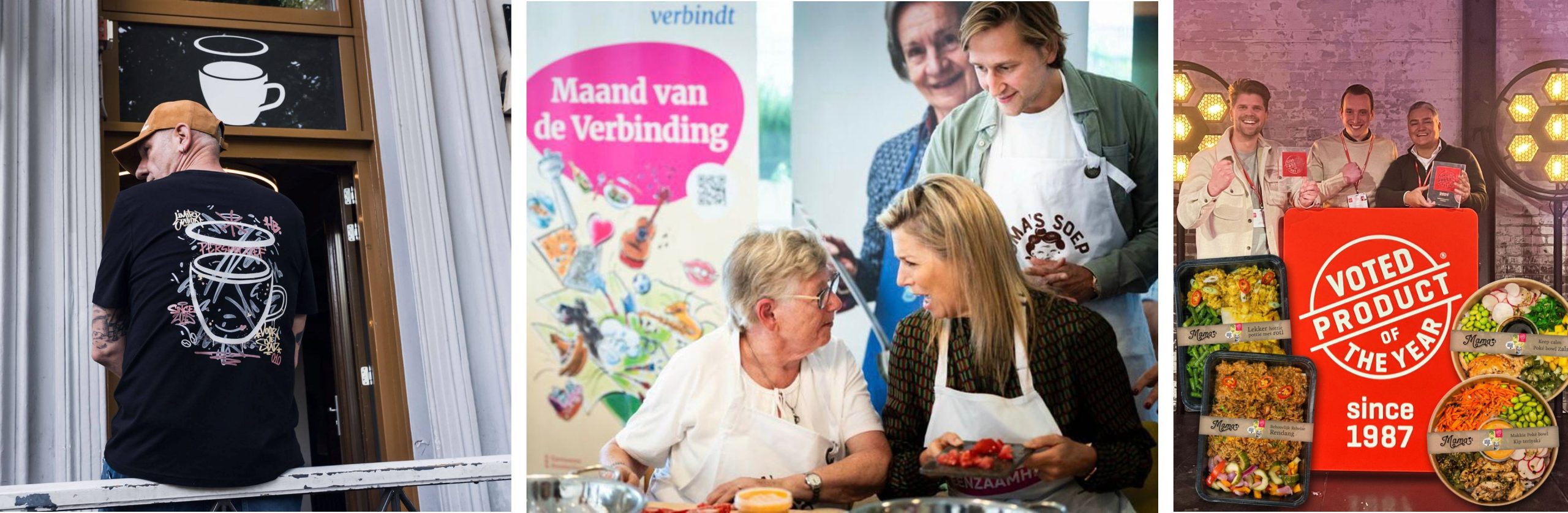
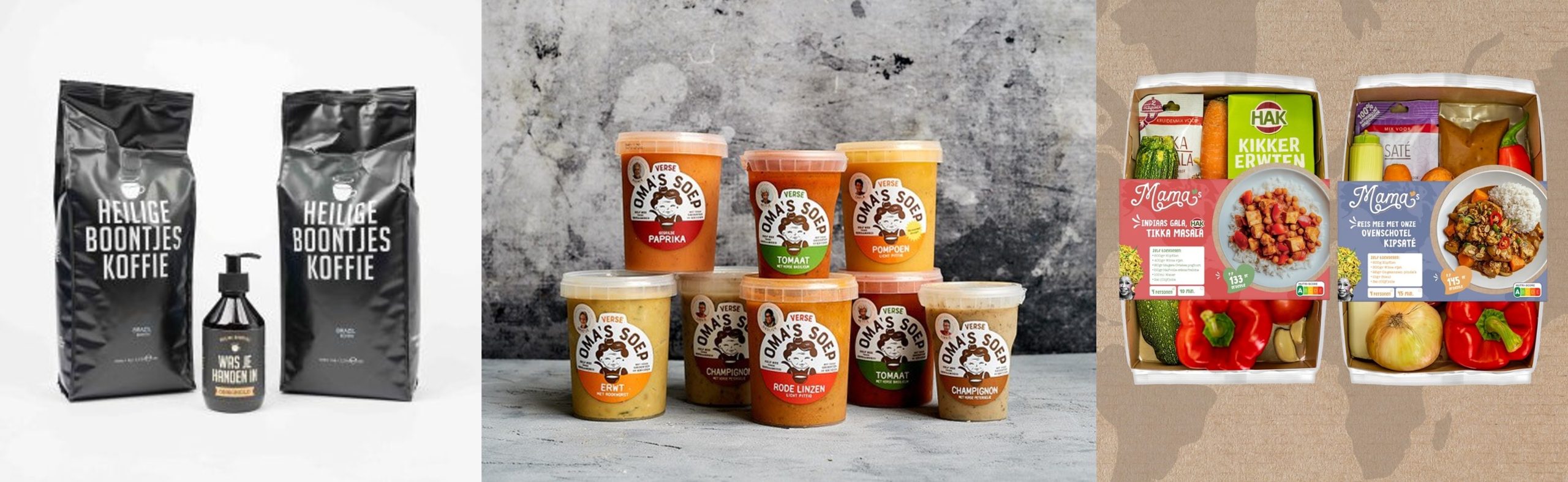
Heilige Boontjes: coffee as a compass for a second chance. Heilige Boontjes (in English Holy coffee beans), founded by ex-offender Rodney van den Hengel and police officer Marco, empowers young Rotterdam locals with a rough edge by involving them in coffee production, hospitality and logistics. Rodney knows from personal experience what reintegration after detention is like, and how it might be done more effectively. The combination with his co-founder, police officer Marco, enables a more promising approach to reintegration. The product, coffee, is strong in quality, but the social component is what sets it apart. Their innovation lies in coffee; their impact lies in creating opportunities for young people who were once written off.
Oma’s Soep: connection as an ingredient. Oma’s Soep (Grandma’s soup), founded by Max Kranendijk and later joined by Martijn Canters, brings young people and elderly people together through weekly cooking days. Noticing the loneliness his grandmother experienced, he went to a care home in Amsterdam with a crate of vegetables and cooked soup with the residents. The initial idea was to sell soup made by grannies and volunteers in a small shop, using the profits to fund activities for elderly people. When this proved unfeasible, the idea evolved into producing Oma’s Soep in a commercial kitchen, not with grandmothers, but still based on their recipes. These recipes emerge during weekly cooking days where students (volunteers) cook with older participants. Their soups, ready meals and bakery items are sold in retail. Their innovation lies in recipe development, their impact in reducing loneliness through food.
Mama’s Maaltijden: culture, comfort and chances. Mama’s Maaltijden (Mama’s Meals) founded in 2021 by Serdar Tolenaar, Henk Brussaard en Rick Hageman brings global comfort food to Dutch retail while supporting young people without parents and children in foster care, driven by the belief that every child deserves love, care and a safe place to grow up. Founder Serdar sadly experienced the absence of a mother in his own childhood. He transformed this loss into the mission “Everyone deserves a mama”, through which they support young people in foster care. Their innovation lies in ultra-fresh retail meals; their impact in strengthening social support for foster children and their families.
Business Structure: Ltd for Profit + Foundation for Impact
These companies share a distinctive structure. A Ltd (BV) where all commercial activities take place like selling coffee, soup or meals PLUS a Foundation that receives part of the profits and finances the social mission. The Foundation also allows donations and community support.
- Heilige Boontjes B.V.: Coffee bar, sales of coffee drinks and packaged beans PLUS Stichting De Heilige Boontjes: Reintegration of young people
- Oma’s Soep B.V.: Wholesale producer of fresh soups, meals and sauces for retail and foodservice PLUS Local Oma’s Soep Foundations across NL: Strengthening community participation of seniors and social cohesion
- Mama’s Maaltijden B.V.: Purchasing and selling ready-to-heat and ready-to-eat meals PLUS Stichting Iedereen verdient een Mama: Supporting and guiding young people without parent(s)
Heilige Boontjes: Founder Rodney grew tired of the constant fundraising and the cycle of temporary, subsidy-driven projects. A change of alderman or the end of a (re-integration) project meant starting over again. This was one of the reasons he designed a more sustainable structure, earning their own income to keep reintegration going. Coffee became the means through which he generates social return.
Oma’s Soep produces and sells fresh soups, ready meals and other products made with authentic “oma-style” recipes, while the Oma’s Soep Against Loneliness Foundation organises activities for elderly people and supports local Oma’s Soep Foundations nationwide. The foundation model resembles that of student associations, matching the background of founders Max and Martijn. The Ltd and the Foundation are tightly connected: profits from the Ltd support the Foundation. Legally, at least 50% of annual profit must be donated to the Foundation.
Mama’s Maaltijden is scaling rapidly. Since 2021, the founders have experienced a rollercoaster of adventures, from a fiery pitch on Dragon’s Den to unique collaborations, legal hurdles and switching production partners. Their entrepreneurial lessons from January 2023 to today are honest, raw and insightful and can be heard in their podcast (Spotify). Within the company, foster care holds a special place. One of the founders grew up in foster families and knows firsthand how crucial a warm, safe home can be. Mama Janet, herself both a former foster child and a foster parent, develops the recipes and embodies the heart of the company. Mama’s Maaltijden combines commercial growth with a deep social purpose: supporting families who need extra care, and proving that everyone deserves a mama.
Family Businesses of the Future?
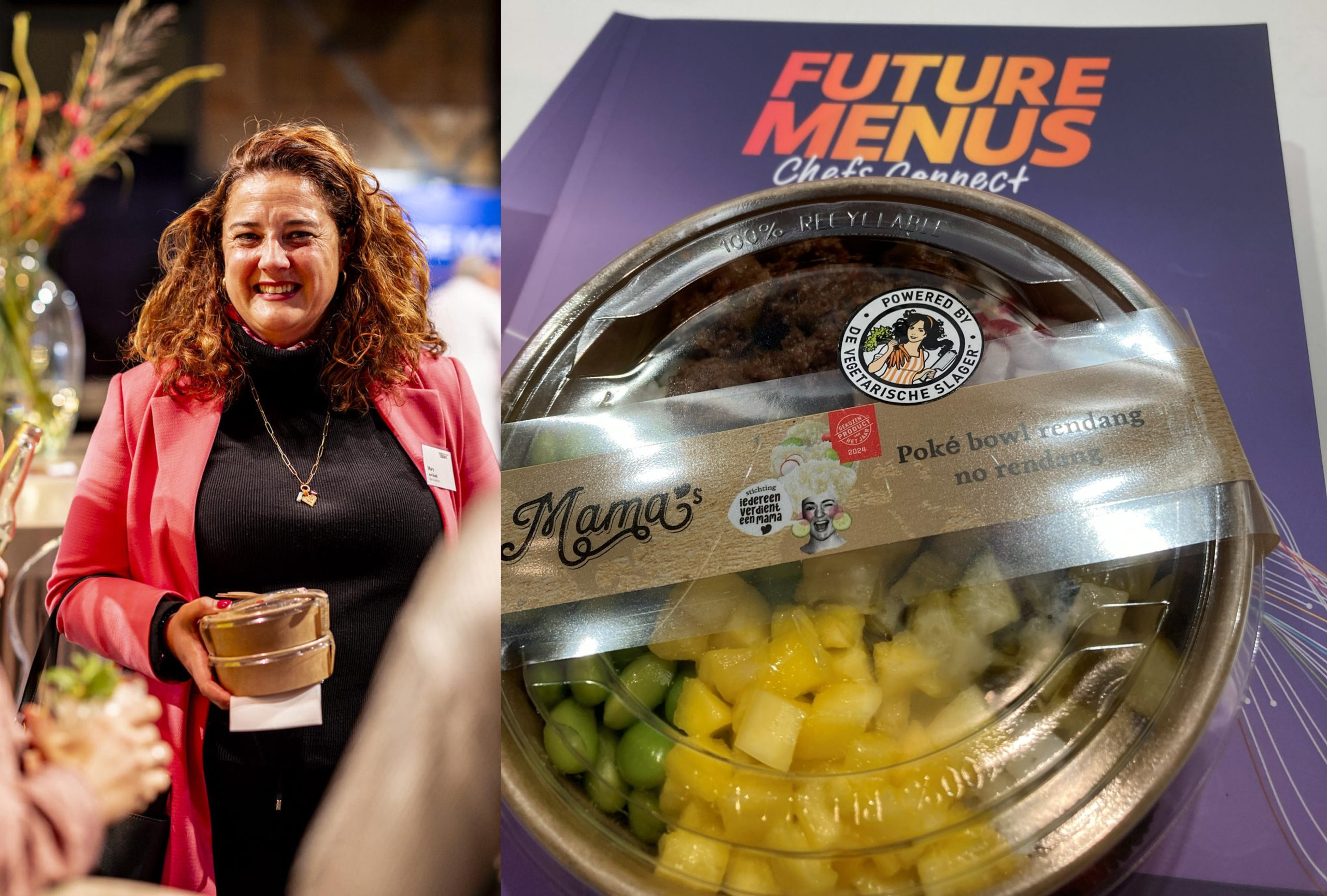
Built on shared values, a social mission and a tight-knit chosen family, organisations like Oma’s Soep, Mama’s Maaltijden and Heilige Boontjes demonstrate that modern family businesses do not necessarily rely on bloodlines, but on community. Here, marketing is not a department, it’s how everyone works every day, with real stories, real relationships and real impact. They combine entrepreneurship with social value, maintain long-standing relationships with volunteers, seniors and young people, and create a new form of “family”: one shaped by doing, caring and changing things together. A new generation of businesses is emerging, one that generates not only profit, but also meaning.
5 Innovation Lessons
1. Start with the societal pain point, not the product
Each concept stems from a social challenge: inequality, loneliness, and economic independence. The product is inseparable from the mission. Innovation strengthens when the problem is clearly understood.
2. Keep the product familiar and accessible
Coffee, soup and comfort food are not revolutionary. But by connecting the familiar with new meaning, impact emerges. Consumers adopt what they already recognise when it adds genuine value.
3. People are the heart of innovation
Whether young people, volunteers or elderly participants, not brands, are central. Innovation thrives when communities participate, decide and benefit.
4. Impact is a business model, not an add-on
These initiatives prove that social impact and commercial viability can reinforce each other. A good story sells if it’s rooted in real impact.
5. Authentic stories create powerful brands
The stories of founders, employees, grandmothers, volunteers and mamas define success. Stories are a form of product innovation: they add meaning that cannot be copied.
✨ Magic or Innovation?
Organising and realising these kinds of initiatives requires a touch of magic. And that’s exactly why the transformation towards a more sustainable food system lies in the hands of the food innovator, in this case, disguised as a sustainability manager. She possesses the innovation mindset and skill set to make it happen.
Future of Food Innovation?
In a market where consumers choose more consciously, retailers demand social value, and employees seek meaningful work, these three initiatives provide a blueprint for the next generation of food businesses. They show that innovation isn’t only about technology, it’s about humanity, courage and societal relevance.

💡Curious how purpose-driven food brands grow without losing their soul? In Mastering Food Innovation, I share the frameworks and insights I have used to help leading social food ventures scale with impact. Order your copy here.
If you want strategic guidance on building meaningful, commercially strong food concepts, I, Mary van Hoek-Hendriks, would be happy to support you. mary@startafoodstory.com