
If we curate museums, media and fashion because people cannot assess everything for themselves, why do we expect them to do so with food, the single most influential system for our health?
In the art world, the concept of a curator carries an almost magical weight. A curator selects, organises and presents. Not everything, but the right things. Always guided by a vision, a theme, a story. The Latin root curare means to care for. And this is exactly what is missing in our food environment.
Let’s be honest: the supermarket is no longer a neutral space. It is an overcrowded exhibition without a curator: 30,000 products, screaming claims, confusing labels, logos, certification marks and all the junk in the backroom. The consumer is left to choose consciously for themselves.
Choosing has become an art. Yet we unleash amateurs into a professionally designed maze of options.
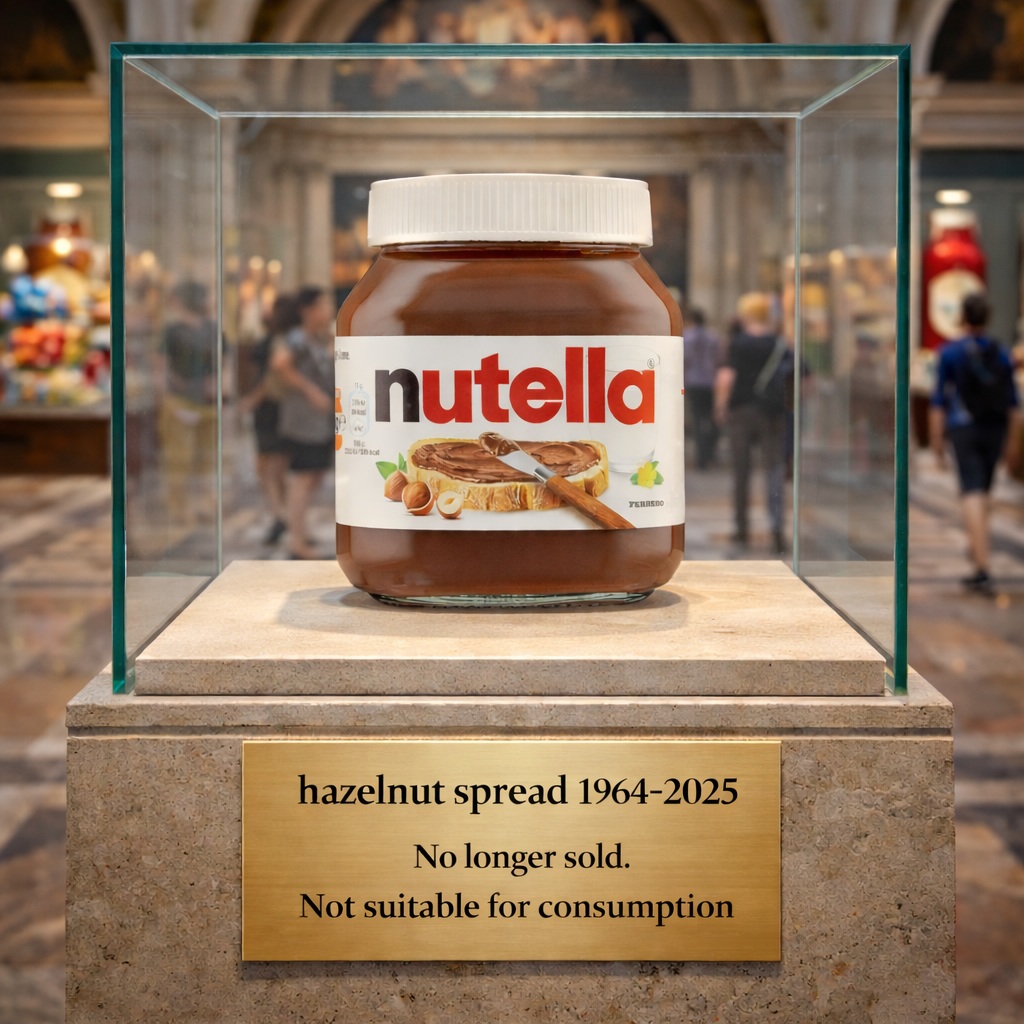
From Art to Apples: Curation Works in Food Too
A curator in the arts selects, organises, contextualises and connects content with an audience. Why would these skills be any less valuable for food? On the contrary, they are more urgent than ever. Where art enriches your perspective, food determines your energy, your health and your lifespan.
Lock on Fuel Tank ≠ Strategy
Despite all lifestyle programmes, the most prevalent health solutions today do not intervene in the food system, but in the body: stomach reductions, injections that suppress appetite. We literally put a lock on the fuel tank. But let’s be honest: eating less is not the same as eating better, and nausea is not nutrition education. We treat symptoms while the environment remains sick.
Paternalism or Expertise?
Consider this simple question: would you rather dine in a restaurant with 30 main courses or with six? I choose the latter without hesitation, not because I want less freedom, but because I trust it more. A smaller menu means focus in the kitchen, better ingredients and more attention to each dish. Nobody calls this paternalism; we call it craftsmanship. Why does the supermarket operate differently?
We Accept Curation Everywhere Except in Food
In fashion, it is common: stylists, capsule wardrobes, curated collections. Someone makes a pre-selection that suits you. In food, we see the same principle with concepts like Home Chef and HelloFresh. They curate meals based on family structure, dietary preferences, time and context. They do not sell products; they sell calm, guidance and trust. HelloFresh does not prove that people want meal boxes; it proves that people want leadership in a chaotic food system.
Our Health is Bankrupt
In law, a curator is appointed when a person or organisation is bankrupt. The curator temporarily takes control to restore order and provide direction. If we look at obesity, diabetes and lifestyle diseases, our health systems are effectively bankrupt. Ask yourself this: if our health is bankrupt, do we not all need a curator? Not to take away freedom, but to make our health intelligible and manageable again.
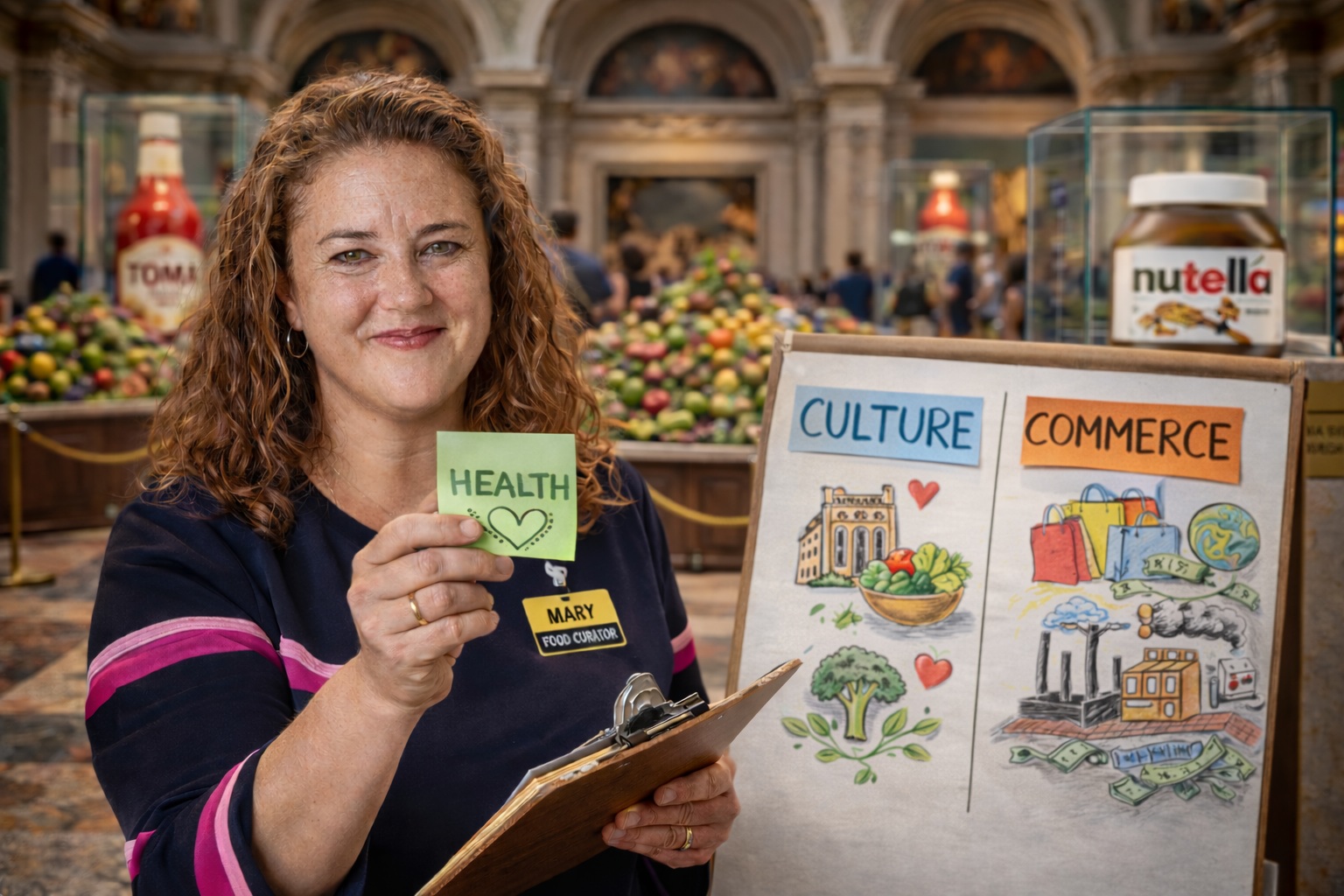
What is a Food Curator?
A food curator reduces complexity, adds meaning and makes choices that align with who you are and how you live. Not by offering everything, but by offering the right things, so that healthy eating is not the difficult choice, but the logical one. The reach of a food curator extends far beyond the supermarket. They are the person who consciously decides which foods are visible, available and normalized in our food environment: from supermarkets and restaurants to media and policy. A food curator continuously balances health, culture, sustainability and commercial interests, making deliberate choices about what is good for people and what is not. Like a museum curator, they understand that food is never neutral: what you display, sell or glorify shapes behaviour, values and the future.
A food curator is a deliberate storyteller, not a neutral collector.
Curatorship cannot be captured in a single programme; it is a balanced mix of historical knowledge, experience in selection, writing and networking. It is a post-professional fellowship, a programme undertaken only after substantial experience in the food domain, just as in the art world.
Curator School?
Imagine the International Academy of Food Curatorship: a global hub and community of professionals from all disciplines of the food domain: chefs, physicians, dietitians, innovators, marketers, sustainability experts, policymakers and finance professionals, because impactful innovation only works with a solid business case. A school offering Food Curator Fellowships and Advanced Courses on culture, sustainable food systems and the market launch of groundbreaking food innovations. A place where knowledge, experience and vision converge to curate the future of food. This is a dream school in my eyes.
A Provocative Thought
The supermarket as exhibition, the shelf as narrative, the products as artworks and the consumer as visitor. A food curator provides context, constructs stories, adds meaning and guides the visitor without dictating. The supermarket of the future is not a warehouse, not a depot of junk. It is a curated food environment. With vision, courage and care for people. True innovation does not lie in another product, but in daring to choose what not to offer. I am curious how you see this: is curation in food the necessary next step, or will we continue to shift responsibility onto the consumer?
4 Take-Outs
1. Food is never neutral
What we display, sell or celebrate shapes behaviour, values and the future. Curating food is about guiding choice responsibly, not restricting it.
2. Curation creates clarity
Just as a museum curator selects and contextualises art, a food curator reduces complexity, adds meaning, and makes healthy, sustainable options the logical choice.
3. Impact requires deliberate storytelling
Purpose-driven food brands and ventures thrive when they make intentional choices, balance commercial, cultural and health objectives, and tell coherent, values-driven narratives.
4. My dream school shapes the future
The International Academy of Food Curatorship will train the next generation of food curators: chefs, dietitians, innovators, policymakers and marketers who can design curated food environments, scale impact-driven ventures, and redefine how people experience and interact with food. This is where knowledge, experience and vision converge to create meaningful, sustainable and commercially successful food innovation.
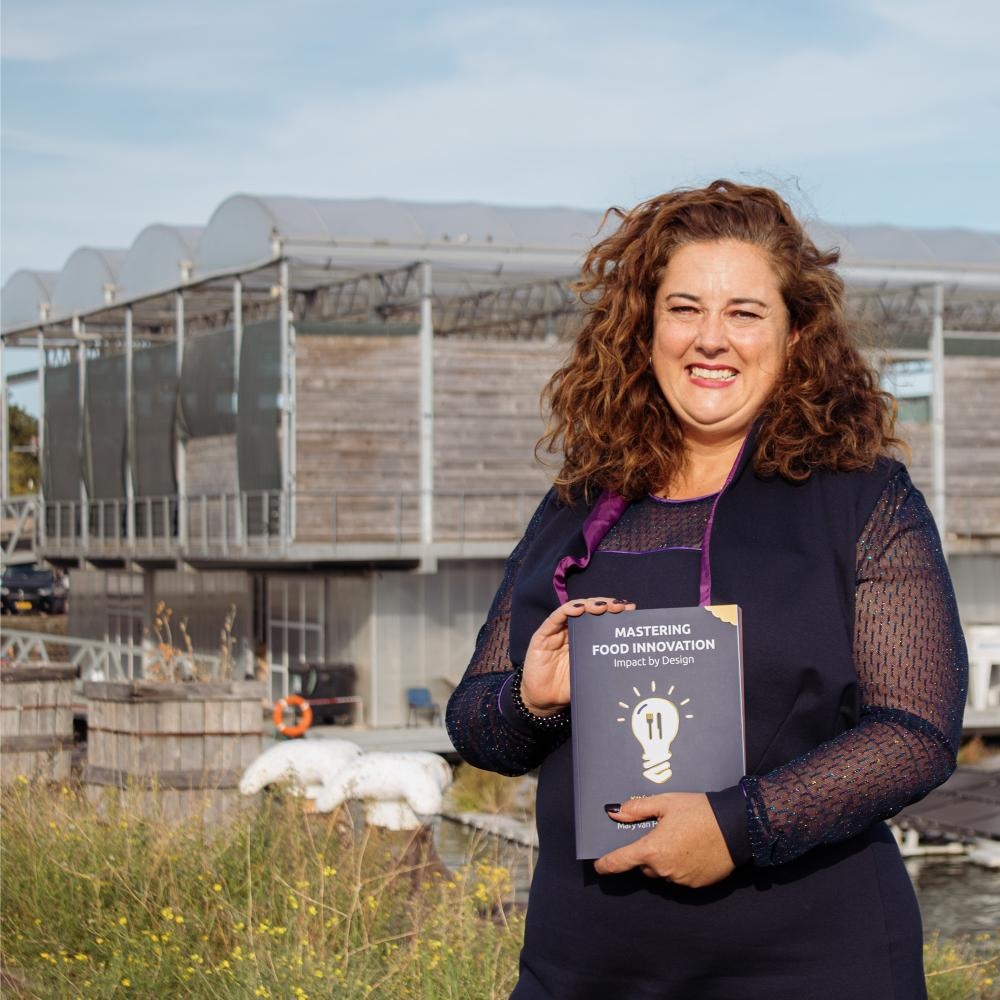
💡Curious how purpose-driven food brands and curated food experiences grow without losing their soul? Just as a food curator shapes what is visible and meaningful in our food environment, brands that scale with impact do so by making deliberate choices and telling intentional stories. In Mastering Food Innovation, I share the frameworks I use to help food ventures balance culture, sustainability and commercial success. Order your copy here.
When you want strategic guidance on building meaningful, commercially strong food concepts, I, Mary van Hoek-Hendriks, would be happy to support you. mary@startafoodstory.com